
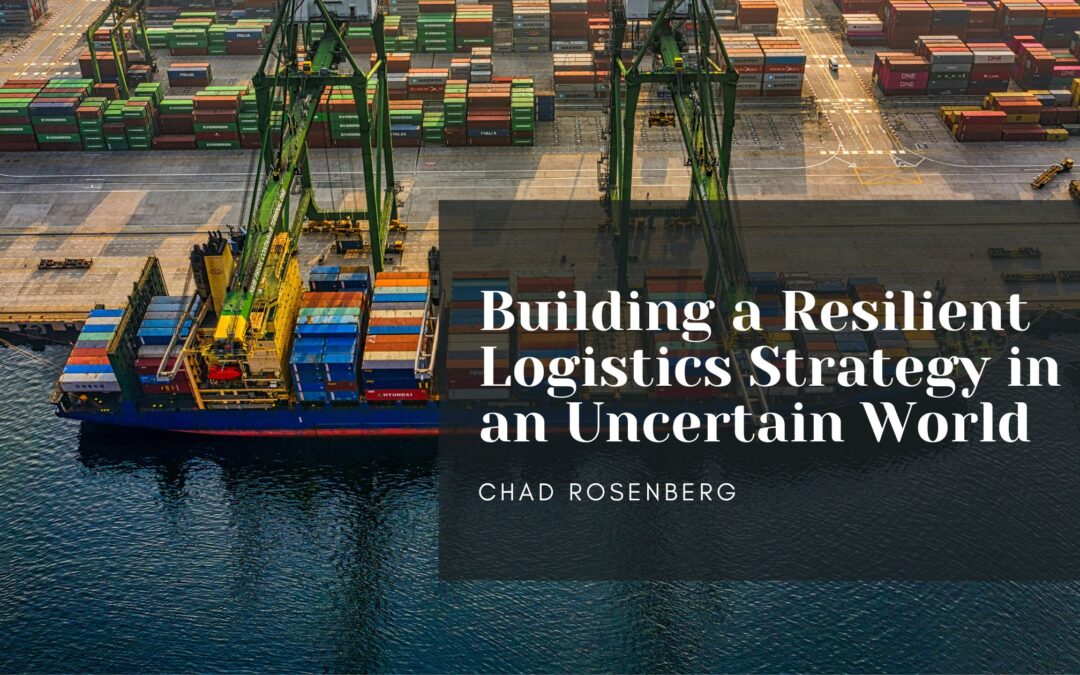
The logistics industry has always been subject to volatility, but recent global challenges—from the COVID-19 pandemic to supply chain disruptions, natural disasters, and geopolitical tensions—have underscored the need for resilience. In an uncertain world, businesses must develop logistics strategies that can adapt to changing conditions, mitigate risks, and ensure the smooth movement of goods. Building a resilient logistics strategy is essential for long-term success and competitiveness.
- Diversify Supply Sources and Transportation Routes
One of the most effective ways to build resilience is to avoid dependency on a single source or route. Diversifying suppliers and transportation networks helps mitigate the impact of disruptions in one region or market. For instance, companies that rely on multiple suppliers across different geographic areas can more easily pivot if one region faces a disruption. Similarly, using alternative transportation routes—whether by sea, air, or land—can ensure that if one route becomes blocked or delayed, other options remain available.
- Invest in Technology for Real-Time Visibility
Technology plays a critical role in enhancing supply chain resilience. Advanced logistics management systems, such as transportation management systems (TMS) and warehouse management systems (WMS), provide real-time visibility into inventory levels, shipment locations, and potential disruptions. By leveraging technologies such as the Internet of Things (IoT) and blockchain, businesses can track goods as they move through the supply chain and identify issues before they escalate. Proactive monitoring helps businesses make quick decisions to avoid or mitigate delays.
- Build Strong Relationships with Partners
Having a network of reliable logistics partners—carriers, freight forwarders, 3PL providers, and suppliers—is key to navigating uncertainties. Developing strong, collaborative relationships ensures that when disruptions occur, businesses can work together to find solutions quickly. Open communication and trust are essential for problem-solving in times of crisis. Businesses that foster strong partnerships are better positioned to manage disruptions and even capitalize on new opportunities that may arise during uncertain times.
- Create a Flexible and Adaptive Supply Chain
Flexibility is crucial in times of uncertainty. Building a supply chain that can adapt to changing market conditions, demand fluctuations, and external disruptions is essential for long-term resilience. This can be achieved by adopting agile supply chain practices, such as flexible production schedules, dynamic inventory management, and cross-functional teams that can respond to changing needs.
- Focus on Risk Management and Contingency Planning
A resilient logistics strategy involves anticipating potential risks and having contingency plans in place. Conduct regular risk assessments to identify vulnerabilities in your supply chain, whether they be related to natural disasters, political instability, or cybersecurity threats. Develop emergency response plans and ensure all stakeholders are aware of their roles in case of a disruption. Regular drills and simulations can help ensure readiness when challenges arise.