
Sustainability has become an increasingly important focus in global logistics and supply chain operations. As international trade expands and supply chains grow more complex, businesses face rising pressure from regulators, customers, and partners to reduce environmental impact while maintaining efficiency and reliability. Sustainable logistics is no longer limited to corporate social responsibility initiatives; it is now a strategic consideration that can influence costs, resilience, and long-term competitiveness.
Understanding Sustainability in Logistics
Sustainability in logistics and supply chain operations refers to the integration of environmentally responsible, socially conscious, and economically viable practices throughout the movement of goods. This includes transportation, warehousing, packaging, sourcing, and distribution activities. The primary goal is to minimize negative environmental impacts—such as greenhouse gas emissions, waste, and resource consumption—without compromising operational performance.
Global supply chains often involve multiple transportation modes, international regulations, and numerous stakeholders. As a result, sustainability efforts must be coordinated across different regions and partners to be effective.
Sustainable Transportation Strategies
Transportation is one of the largest contributors to carbon emissions within logistics operations. Companies are increasingly adopting strategies to reduce emissions while maintaining delivery timelines.
One common approach is route optimization, which uses data and planning tools to reduce fuel consumption by minimizing empty miles and improving load consolidation. Shifting freight from road to more fuel-efficient modes such as rail or sea, when feasible, is another effective method.
The use of alternative fuels and low-emission vehicles is also gaining momentum. Electric vehicles, hybrid trucks, and vehicles powered by biofuels or hydrogen are being gradually integrated into logistics fleets, particularly for short-haul and urban deliveries. While infrastructure limitations still exist in some regions, adoption continues to grow as technology advances.
Energy-Efficient Warehousing and Distribution
Warehousing plays a critical role in sustainable supply chain operations. Modern distribution centers are increasingly designed with energy efficiency in mind. Practices such as LED lighting, motion sensors, energy-efficient HVAC systems, and improved insulation help reduce electricity consumption.
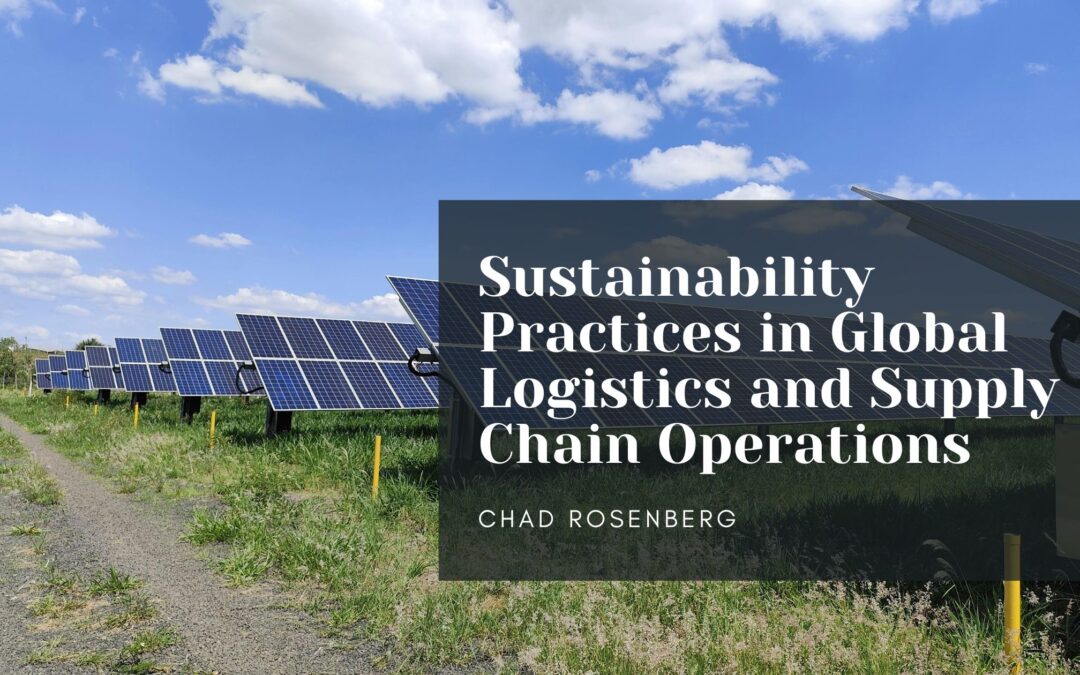
Some companies are also investing in renewable energy sources, including solar panels and wind energy, to power warehouse operations. In addition, warehouse management systems (WMS) help optimize inventory placement and picking routes, reducing unnecessary equipment movement and energy use.
Sustainable Packaging Practices
Packaging is another area where sustainability initiatives can deliver measurable benefits. Excessive or non-recyclable packaging contributes significantly to waste across global supply chains. To address this, companies are adopting right-sized packaging, recyclable materials, and reusable containers.
Lightweight packaging not only reduces material usage but also lowers transportation costs and emissions by decreasing shipment weight. In some supply chains, closed-loop packaging systems are used, allowing containers and pallets to be returned, reused, or refurbished.
Responsible Sourcing and Supplier Collaboration
Sustainability in supply chain operations extends beyond logistics providers to include suppliers and manufacturers. Responsible sourcing practices focus on selecting partners that adhere to environmental and ethical standards.
Many organizations now evaluate suppliers based on sustainability metrics such as energy use, waste management, labor practices, and emissions reporting. Collaboration with suppliers and logistics partners is essential for achieving consistent sustainability goals across borders. Transparent communication and shared performance indicators help align expectations and encourage continuous improvement.
Technology and Data-Driven Sustainability
Technology plays a central role in enabling sustainable logistics practices. Advanced analytics, transportation management systems (TMS), and real-time tracking tools provide visibility into supply chain operations, allowing companies to identify inefficiencies and reduce waste.
Data-driven decision-making supports accurate demand forecasting, inventory optimization, and better capacity utilization. These improvements help prevent overproduction, excess inventory, and unnecessary transportation, all of which contribute to environmental impact.
Digital documentation and paperless trade processes also reduce administrative waste while improving efficiency in international logistics.
Compliance and Regulatory Considerations
Governments and international organizations continue to introduce environmental regulations affecting global logistics and supply chains. Emissions reporting requirements, fuel standards, and sustainability disclosures are becoming more common, particularly in international trade.
Companies that proactively adopt sustainable practices are often better positioned to comply with evolving regulations and avoid disruptions. In some cases, sustainability initiatives can also unlock incentives, tax benefits, or preferred status with environmentally conscious customers and partners.
Business Benefits of Sustainable Logistics
While sustainability initiatives may require initial investment, they often deliver long-term benefits. Reduced fuel consumption, energy savings, and waste reduction can lead to lower operating costs. Improved efficiency and visibility enhance supply chain resilience and risk management.
Additionally, sustainability efforts can strengthen brand reputation and customer trust. Many customers now consider environmental performance when selecting suppliers or logistics partners, making sustainability a competitive differentiator in global markets.
Conclusion
Sustainability practices in global logistics and supply chain operations are no longer optional. As environmental concerns, regulatory pressures, and customer expectations continue to grow, companies must integrate sustainability into their core logistics strategies. By focusing on efficient transportation, energy-conscious warehousing, responsible sourcing, and data-driven decision-making, organizations can reduce environmental impact while improving operational performance.
Sustainable logistics supports not only environmental goals but also long-term business success, helping supply chains remain resilient, efficient, and competitive in an increasingly interconnected global economy.